
Cultural shifts How gambling transforms societal norms and values
The Evolution of Gambling in Society
Gambling has undergone significant transformations throughout history, evolving from a niche activity to a mainstream cultural phenomenon. In ancient civilizations, gambling was often seen as a form of divination or a way to engage with the gods. Today, it has shifted into a multi-billion dollar industry that influences daily lives, entertainment, and even economic policies. As society embraces this evolution, the perception of gambling and its role within community values has also changed. Many people now enjoy a night out at the best online casino, seeing it as a social event rather than merely an activity centered around risk.

This shift reflects broader societal changes. In modern times, gambling is often viewed through the lens of personal freedom and choice, a stark contrast to past stigmas that associated it with moral decay. This evolution has been fueled by technological advancements, particularly the rise of online gambling platforms and mobile applications, making gambling more accessible than ever before.
Impact on Family Dynamics
The rise of gambling has profound implications for family structures and dynamics. As gambling becomes more widely accepted, families may find themselves navigating new conversations about risk, responsibility, and financial management. While some families may celebrate shared experiences at casinos or during sports betting events, others may confront the darker side of gambling addiction and its repercussions.
These contrasting outcomes highlight the complex relationship between gambling and familial values. Parents may struggle to instill a sense of caution in their children while also recognizing the social aspect of gambling as a form of entertainment. This duality challenges traditional views on family interactions and financial ethics, making it essential for open communication and education around responsible gambling practices.
Gambling and Social Acceptance
The increasing normalization of gambling in society has led to its acceptance in various social contexts. Events like poker nights and fantasy sports leagues have become part of the social fabric, fostering camaraderie among friends and colleagues. This shift indicates a broader acceptance of gambling as a form of recreation rather than solely a vice.
However, this acceptance comes with challenges. As gambling becomes embedded in social activities, the line between responsible enjoyment and problematic behavior may blur. This necessitates a cultural reassessment of gambling as a leisure activity, encouraging communities to foster environments that promote responsible participation while addressing potential harms.
Influence on Economic Policies
Gambling’s integration into societal norms has prompted governments to rethink economic policies related to the industry. The emergence of regulated gambling markets has generated substantial tax revenues, leading many jurisdictions to reconsider their stance on gambling legality. This has resulted in policy shifts that not only support economic growth but also establish frameworks for consumer protection.
As states grapple with the implications of a legalized gambling landscape, discussions around regulation, advertising, and addiction prevention have come to the forefront. Policymakers are now tasked with balancing economic benefits with the social responsibilities that come with an industry that can foster both enjoyment and distress within communities.
Conclusion: The Role of Online Platforms
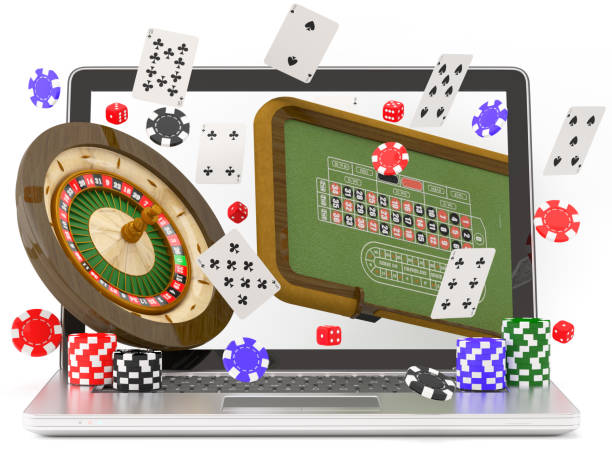
The transformation of societal norms and values surrounding gambling is also influenced by digital platforms. Online gambling sites provide accessible environments where individuals can engage in gambling without the social constraints of physical casinos. These platforms have revolutionized the gambling experience but also raise questions about regulation, safety, and consumer protection.
As the industry continues to evolve, it becomes increasingly important for users to choose secure and reputable platforms that prioritize safety and responsible gaming practices. The ongoing dialogue surrounding gambling in society will shape its future and highlight the need for informed choices in this dynamic landscape.